A NeurIPS 2026 Workshop · Sydney, Australia
AI for
Stochastic Dynamics
From Theoretical Foundations to Scientific Applications.
Submission Sitescroll
Contact · stody.workshop@gmail.com
From Theoretical Foundations to Scientific Applications.
Submission SiteStochastic dynamics is a fundamental language for systems whose evolution is shaped by intrinsic randomness — turbulence, climate, finance, and cellular biology. Here, randomness is not noise to be removed, but an essential part of the dynamics that shapes uncertainty, long-time behavior, rare events, and regime transitions.
The same processes now sit at the heart of machine learning: diffusion and score-based generative models are built on reverse-time stochastic dynamics, neural SDEs model irregular time series, and neural operators are emerging for stochastic PDEs. Yet methods for learning stochastic dynamics still lack unified foundations, reliable algorithms, and systematic evaluation. This workshop convenes researchers across machine learning, stochastic analysis, numerical simulation, and AI for science — with particular attention to how these methods translate into scientific applications across physics, biology, chemistry, materials, and beyond.
We focus on concrete problems at the interface of stochastic foundations and learning methodology: defining suitable learning targets, embedding stochastic structure into models and solvers, and assessing whether learned models reproduce the behavior an application requires. Topics include, but are not limited to:
All submissions are handled through OpenReview ↗ and receive at least three reviews. We welcome two formats — page limits exclude references and appendices.
Submission format: Please use the default NeurIPS 2026 paper format for initial submissions. Submissions must be anonymized for double-blind review.
Mature theoretical, algorithmic, empirical, or application-oriented contributions at the interface of stochastic dynamics and machine learning.
Preliminary results, focused technical observations, negative findings, position statements, or open problems relevant to the workshop themes.
Regular and short papers via OpenReview.
Each submission receives at least three reviews.
Reviewer discussion and final decisions.
Acceptance decisions sent to authors.
Final versions of accepted papers.
One-day in-person event during NeurIPS 2026
All deadlines are 23:59 Anywhere on Earth (AoE).
A one-day program balancing invited talks with contributed work, posters, and open discussion.
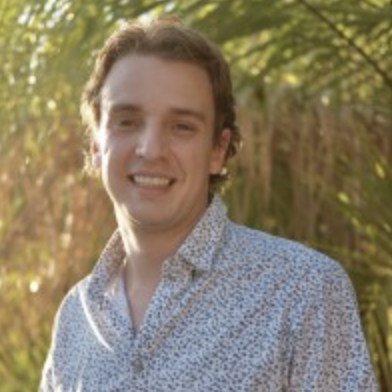
Nikola Kovachki is a Senior Research Scientist at NVIDIA Research. He received his PhD in applied and computational mathematics from Caltech (2022), advised by Andrew Stuart. His research lies in scientific machine learning, focused on the foundational development of operator learning, neural operators, and generative modeling for complex physical systems.
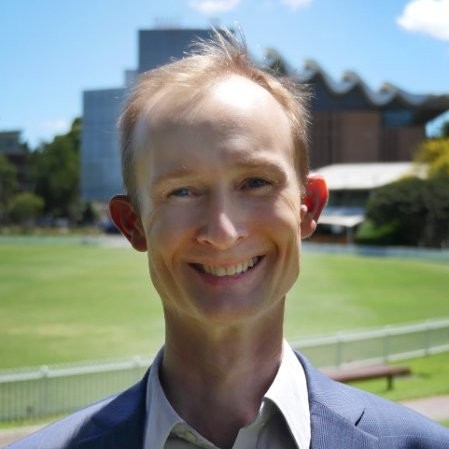
Gary Froyland is a Scientia Professor in the School of Mathematics and Statistics at the University of New South Wales. His research lies at the interface of dynamical systems, probability, geometry, operator theory, and machine learning, with a focus on nonlinear and chaotic systems. He has made fundamental contributions to transfer-operator and ergodic-theoretic methods for studying coherent structures, transport phenomena, and long-time behavior, with applications in fluid dynamics, ocean and atmospheric science, climate dynamics, and optimization under uncertainty.
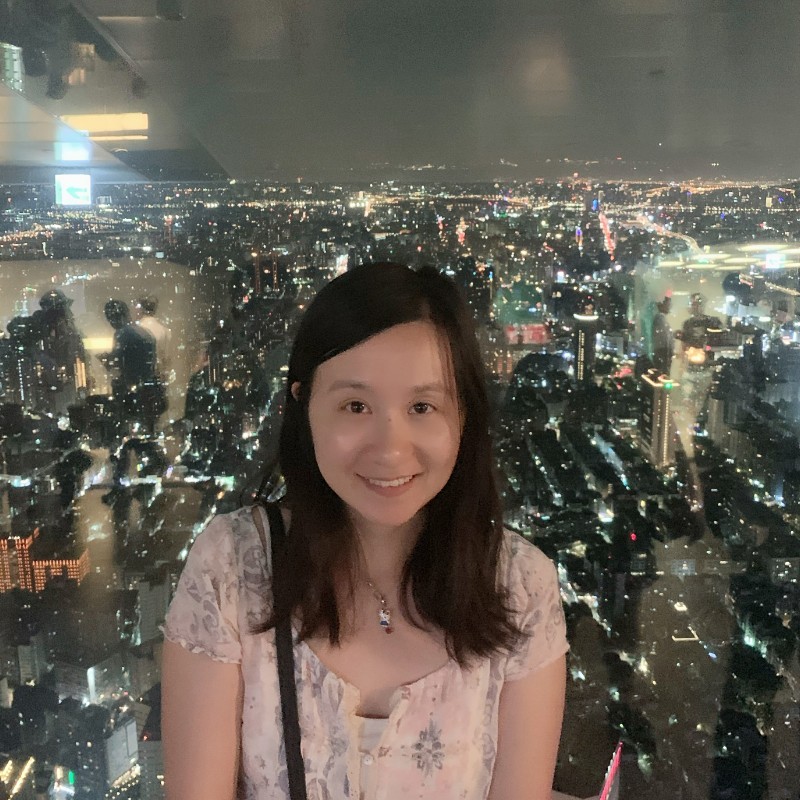
Hao Ni is a Professor of Mathematics at University College London. Her research connects stochastic analysis, rough path theory, financial mathematics, and machine learning, with a focus on principled mathematical and computational tools for modelling complex data streams and stochastic systems. She leads the UCL Rough Path Theory and Machine Learning Group, whose work develops rough-path and signature-based methods for machine learning on sequential and multimodal data.
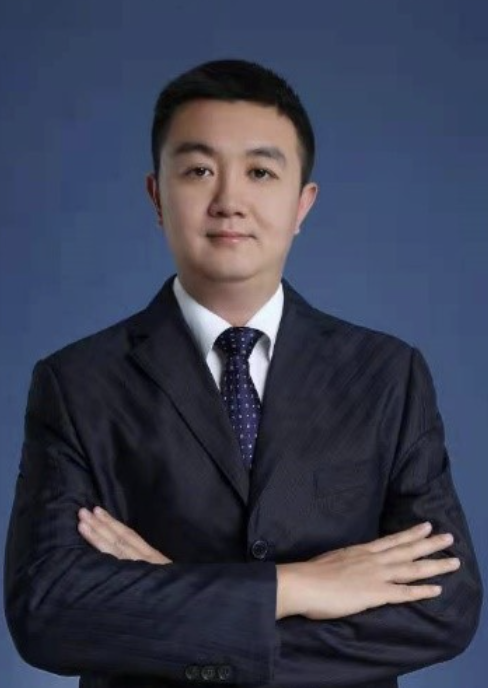
Liang Hong is a Distinguished Professor at Shanghai Jiao Tong University, Director of the Center for AI Biomedicine at the Zhangjiang Institute for Advanced Study, and advisory scientist at Shanghai AI Laboratory. Works at the intersection of AI for Science, protein engineering, and biophysics — large-scale protein-design models, wet–dry closed-loop optimization, and automated experimental validation.
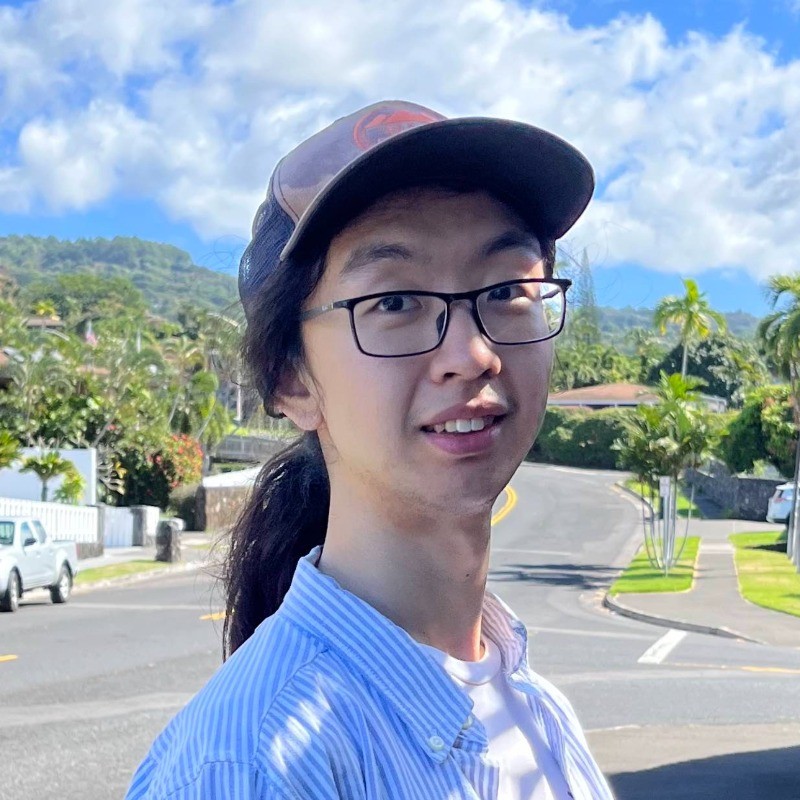
Zongyi Li is an Assistant Professor of Mathematics and Data Science at NYU. He was a Postdoctoral Associate at MIT CSAIL, hosted by Kaiming He. His research lies at the intersection of machine learning and the physical sciences, with a focus on neural operators for learning solution operators of PDEs. He is one of the key contributors to Fourier neural operators and related operator-learning methods for scientific simulation, with applications in fluid mechanics, earth sciences, weather forecasting, carbon storage, and aerodynamics.
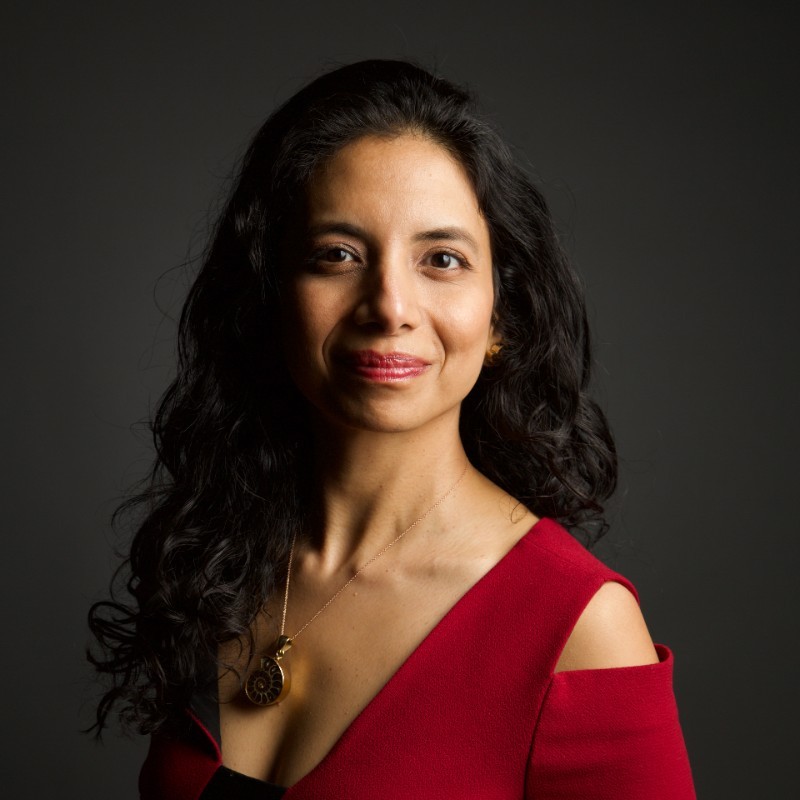
Anima Anandkumar is a Bren Professor of Computing and Mathematical Sciences at Caltech. Her research spans machine learning, tensor methods, probabilistic models, optimization, neural operators, and AI for scientific discovery. She has played a leading role in developing scalable AI methods for scientific modeling, including neural-operator approaches for multiscale physical systems and applications in weather, fluids, materials, and wave phenomena.
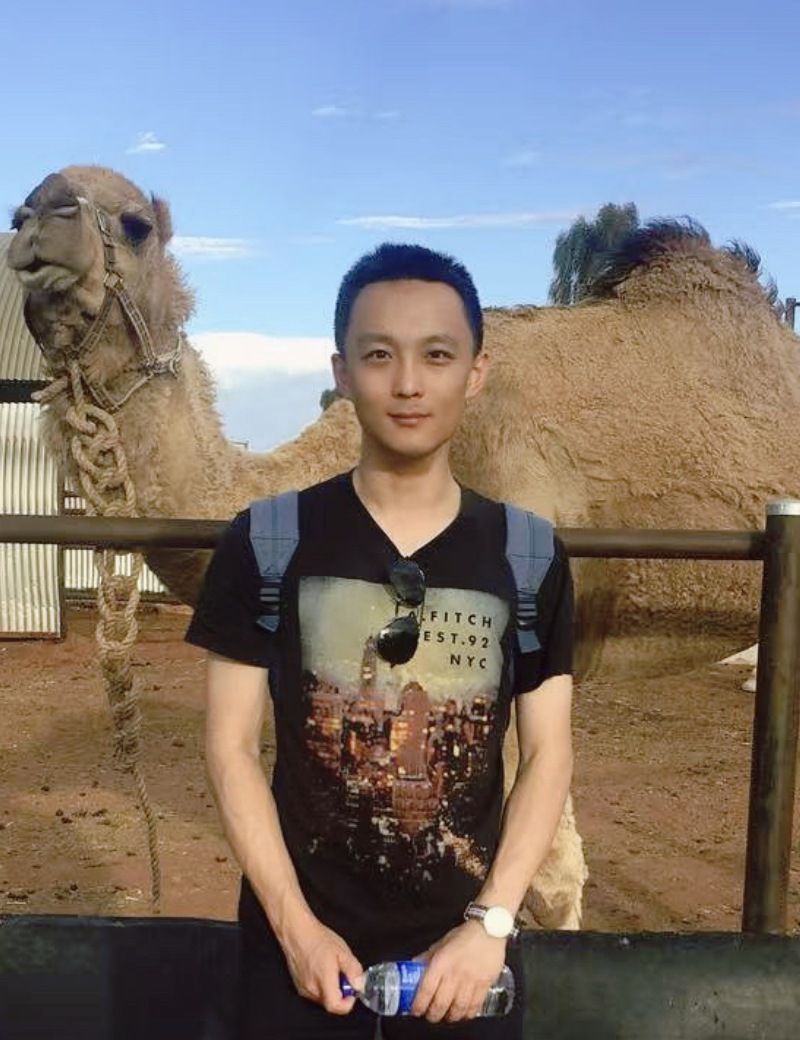
Dai Shi is a postdoctoral researcher at the University of Cambridge. He has published in venues including ICML, ICLR, NeurIPS, TPAMI, TNNLS, TMLR, VLDB, and Machine Learning. He was previously a member of the Chinese reserve team for the International Mathematical Olympiad (IMO) in 2005, and later led a prize-winning team at the Singular SPDE Hackathon. His research interests include AI for science, generative modelling, stochastic (partial) differential equations, reinforcement learning theory, graph neural networks, and multimodal large language models.
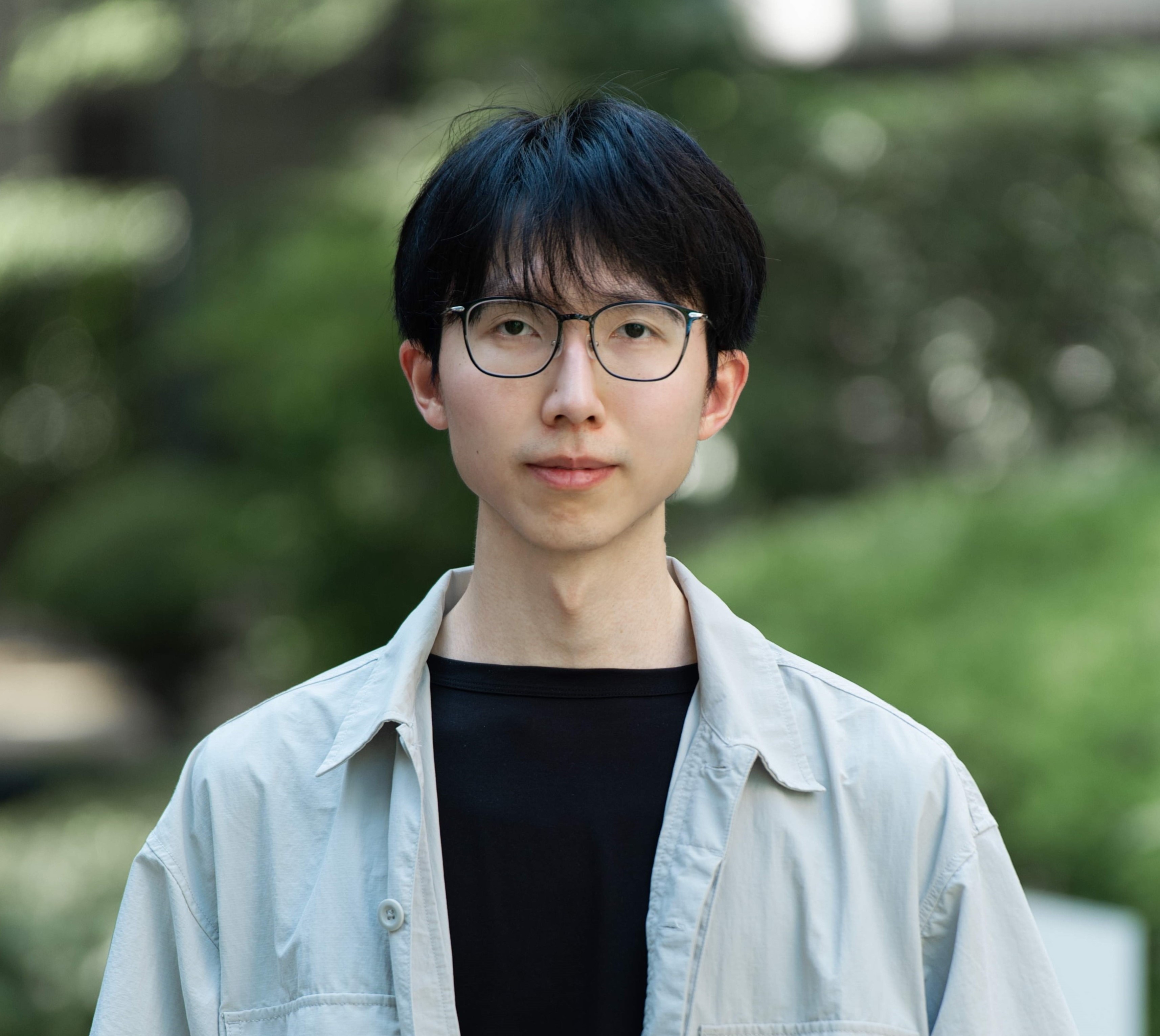
Andi Han is a Lecturer at University of Sydney, School of Mathematics and Statistics. He received his PhD from the University of Sydney in 2023 and spent 2023-2025 as a postdoctoral researcher at RIKEN AIP. His research focuses on optimization and generative models. He has publications in top machine learning conferences such as NeurIPS, ICML, ICLR, AISTATS and journals, such as TPAMI, SIOPT. He has served as Area chair for ICLR, ICML, NeurIPS and AISTATS and successfully organized 1st and 2nd Workshops on Deep Generative Models (ICLR 2025, 2026).
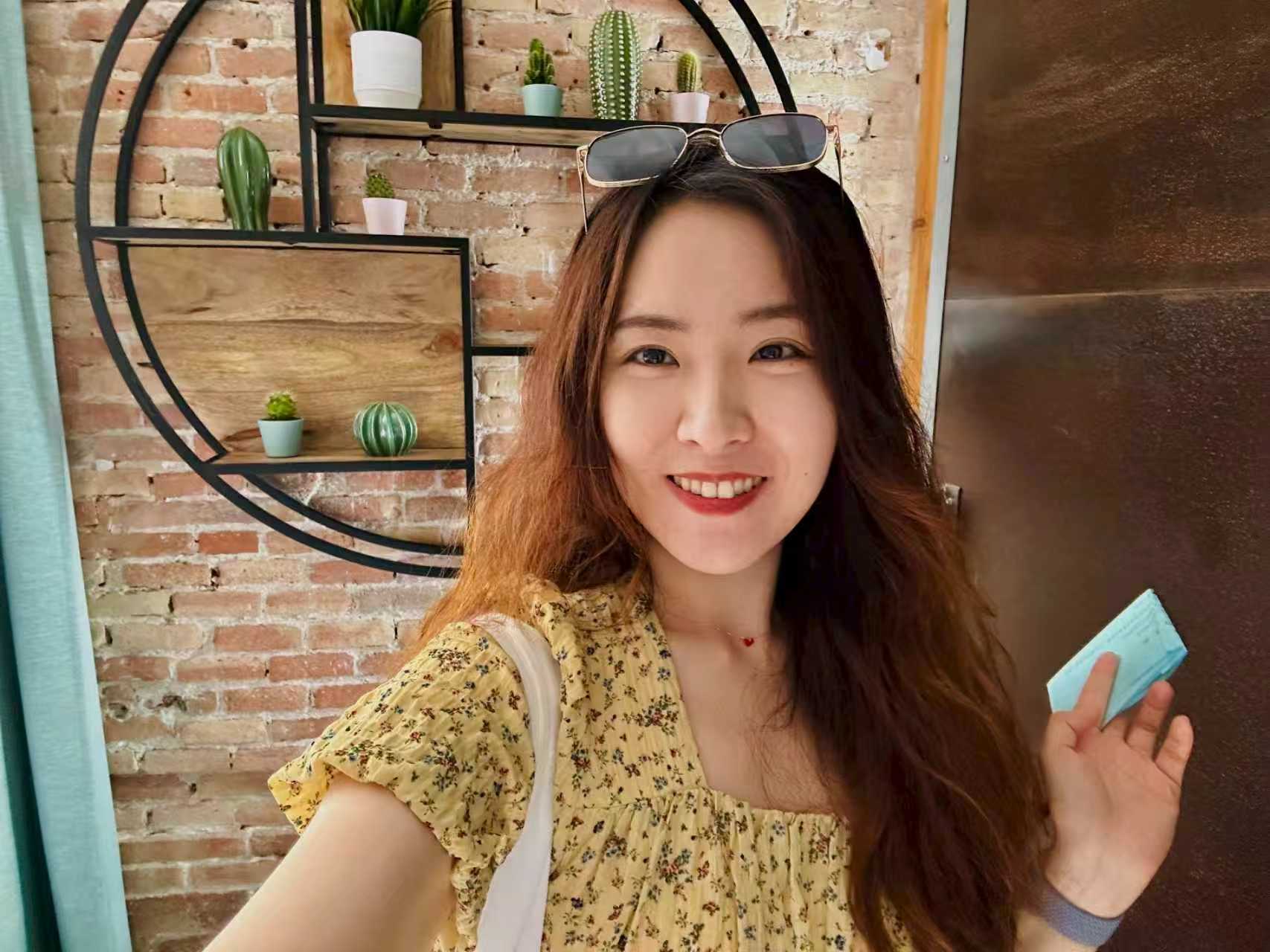
Bingxin Zhou is a Research Assistant Professor at Shanghai Jiao Tong University and a regular visiting scholar at the University of Cambridge. She received her PhD from the University of Sydney in 2022. Her research lies in AI for science, with a focus on representation learning and explainability for biological systems. She develops deep learning methods for protein engineering, metabolic gene networks, and proteome-wide evolutionary analysis. Her work has appeared in venues including Nature, IEEE TPAMI, JMLR, ICML, NeurIPS, ICLR, Cell Discovery, bioinformatics, and Chemical Science.
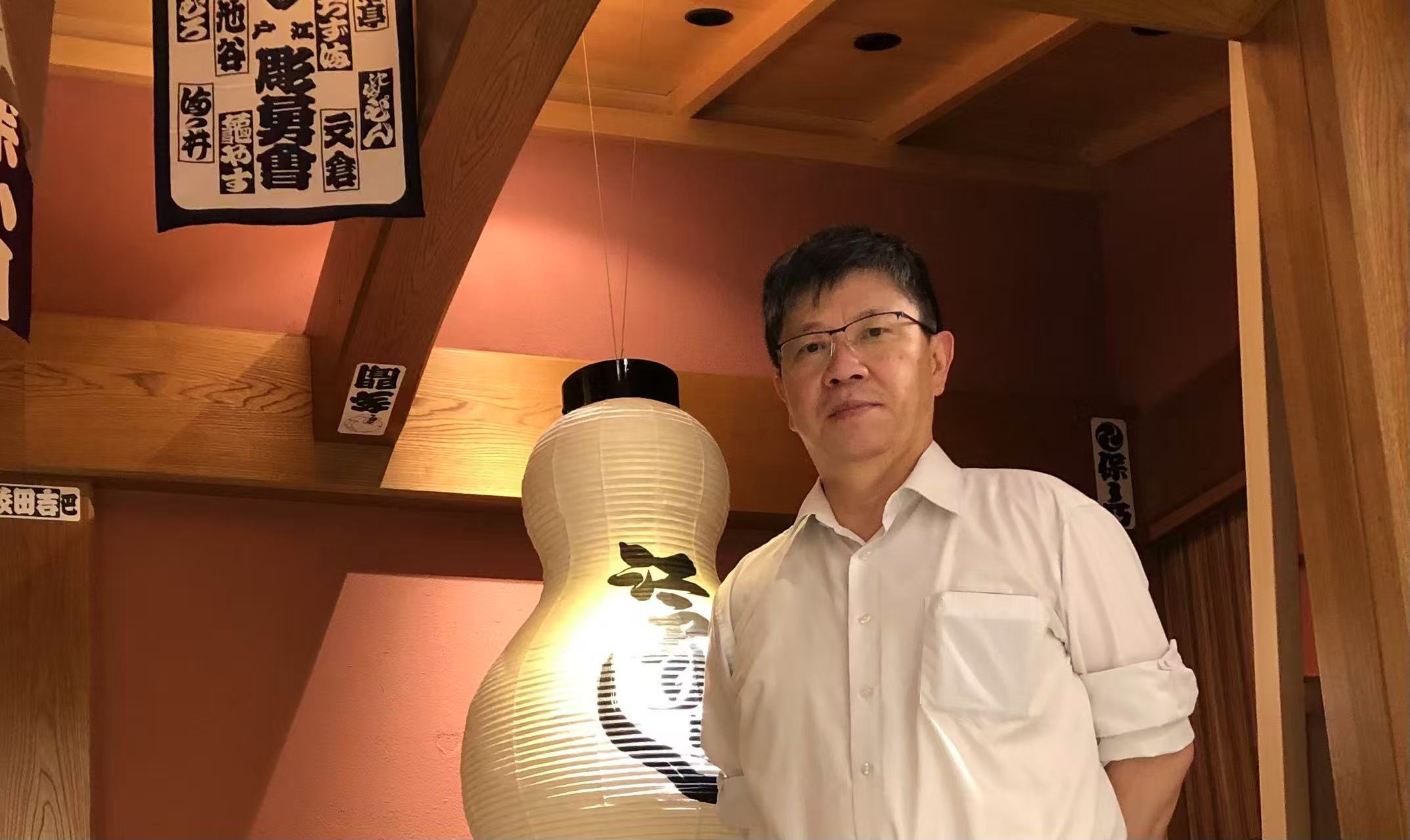
Junbin Gao is Professor of Big Data Analytics and the Business Analytics Discipline Lead in the University of Sydney Business School at the University of Sydney and was a Professor in Computer Science in the School of Computing and Mathematics at Charles Sturt University, Australia. He was a senior lecturer in Computer Science at the University of New England, Australia, from 2001 to 2005. His main research interests include machine learning, data analytics, Bayesian learning and inference, and image analysis.
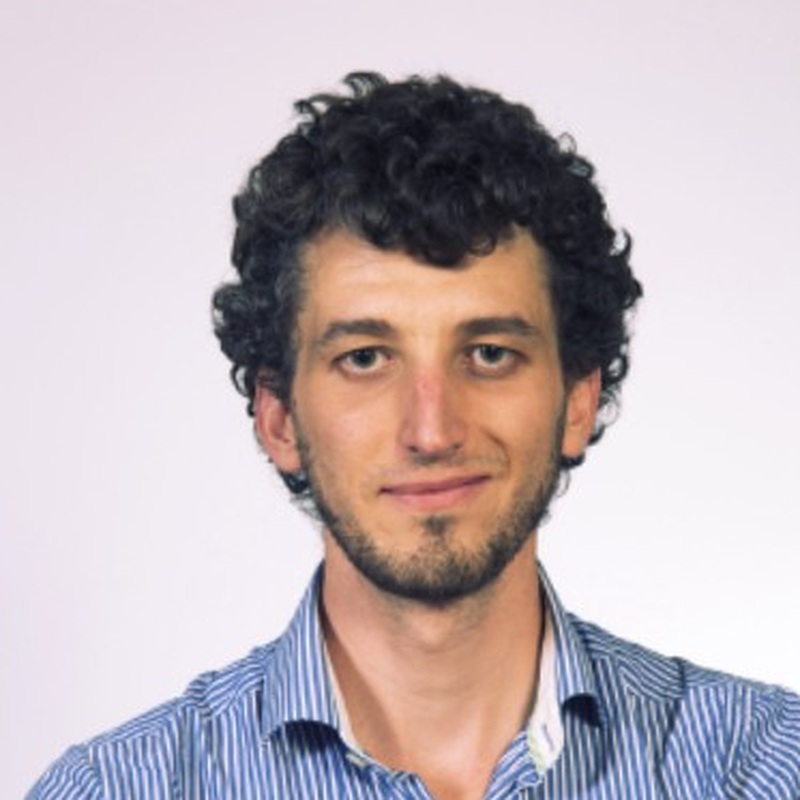
Valentin De Bortoli is a research scientist at Google DeepMind and a chargé de recherche (equiv. to assistant professor) in the Center for Data Science in Ecole Normale Supérieure in Paris. He was previously a postdoctoral researcher at Oxford University and received his PhD from ENS Paris-Saclay. He has published papers in Nature, ICASSP, COLT, UAI, ICML, NeurIPS, TMLR and JMLR. His research lies at the intersection between applied probability, statistics and machine learning with a recent focus on the interplay between stochastic control, optimal transport and generative modeling.
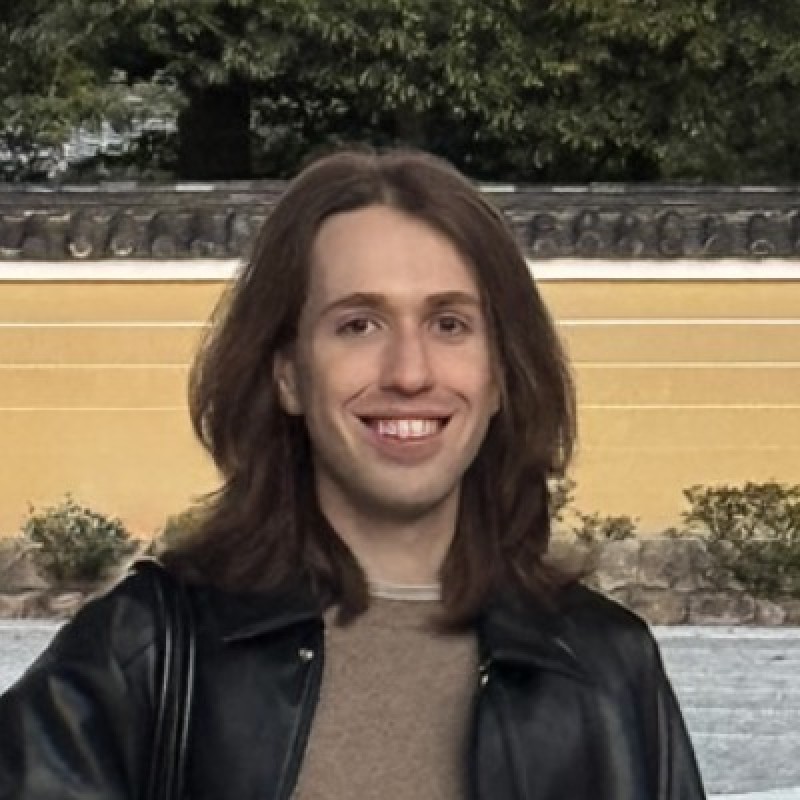
Luke Thompson is a PhD student at the University of Sydney working on machine learning applications of rough paths in non-Euclidean settings such as Lie groups and homogeneous spaces. His recent work develops branched neural rough differential equations for learning manifold and Itô dynamics, along with structure-preserving schemes for neural SDEs on Lie groups. More broadly, he is interested in geometric approaches to deep learning, with work appearing at venues including ICML and ICLR.
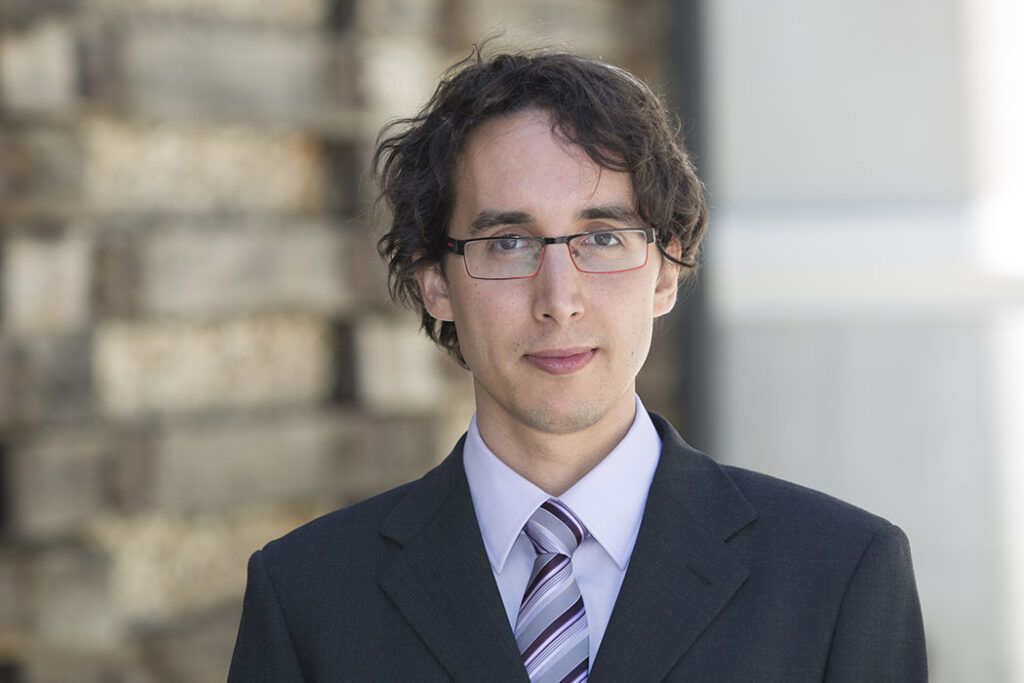
José Miguel is Professor of Machine Learning in the Department of Engineering at the University of Cambridge, where he is also Co-Director of the Cambridge ELLIS Unit and a Turing Fellow at the Alan Turing Institute. His research focuses on probabilistic machine learning, deep generative models, Gaussian processes and Bayesian optimization with applications spanning scientific discovery and uncertainty quantification.
Generously supported by the University of Cambridge, the AI Hub in Generative Models, and the University of Sydney, supporting best-paper awards and community building — including a workshop dinner and a local visit to School of Business Analytics and Marketing at the University of Sydney for speakers, organizers, and award recipients.